
Surgical treatment is often one of the most effective ways to manage painful fat accumulation and improve mobility in patients with lipedema. Liposuction offers a targeted method for removing diseased fat while preserving lymphatic function, helping patients feel more comfortable and confident in their daily lives.
At Lipedema MD in West Long Branch, New Jersey, board-certified plastic surgeon Dr. Boris Volshteyn, double board-certified plastic surgeon Dr. Rudolf Thompson, and board-certified general surgeon Dr. Sadaf Qazi provide advanced lipedema care tailored to each patient’s stage of disease, anatomy, symptoms, and goals. Their combined backgrounds in plastic, reconstructive, general, cosmetic, and aesthetic surgery support careful treatment planning for the physical and functional challenges associated with lipedema.
The Lipedema MD team uses lymph-sparing techniques and individualized surgical strategies to help patients pursue meaningful, long-term improvement.

What Is Lipedema Liposuction?
Lipedema liposuction is not a cosmetic procedure. It’s a medical approach to removing the fibrotic fat that causes pain, swelling, and limited mobility. This technique targets the legs, arms, or torso to reduce bulk, improve proportion, and relieve symptoms. While it doesn’t reverse the underlying condition, it can significantly improve quality of life.
Treatment planning depends on several factors, including the stage and distribution of lipedema, the areas causing pain or mobility limitations, skin quality, and lymphatic health. Some patients may be treated in one procedure, while others benefit from a staged approach that addresses multiple areas over time.
Lipedema Liposuction Techniques
We use different liposuction modalities based on patient needs, fat density, and treatment area. No single liposuction method is appropriate for every patient. The surgical team selects the technique based on the density of the affected tissue, the treatment area, the planned volume of fat removal, and the patient’s individual anatomy and health needs.
Tumescent Liposuction
A foundational technique in all forms of liposuction, this involves infusing a solution of saline, lidocaine, and epinephrine into the tissues to minimize bleeding, ease fat removal, and reduce pain.
Power-Assisted Liposuction (PAL)
A vibrating cannula helps break up fat with less trauma to surrounding tissues. This method allows for greater precision, reduced swelling, and a faster recovery.
Water-Assisted Liposuction (WAL)
This approach uses a jet of fluid to dislodge fat while gently suctioning it away. It can be helpful in select cases, though it’s less commonly used for high-volume lipedema liposuction.
VASER (Ultrasound-Assisted) Liposuction
Ultrasound energy helps loosen fibrotic fat, making it easier to remove. It may also support mild skin tightening in some patients and is especially helpful in earlier stages of the disease.
Lymph-Sparing Technique
Regardless of the method, we use precise, lymphatic-sparing techniques to avoid damaging vessels and optimize healing.
Lipedema Liposuction by Area
Lipedema may affect several connected areas of the body, so treatment planning considers the full distribution of affected tissue. Addressing surrounding regions may help create more balanced contours and reduce noticeable differences between treated and untreated areas.
- Arms: Treating the arms can restore mobility, relieve heaviness, and dramatically improve upper body balance. Compression garments often become easier to wear and more effective post-procedure.
- Torso: Liposuction to the torso—especially the back, hips, and abdomen—can help improve posture, reduce tightness, and alleviate pressure on the spine and joints.
- Legs: The most common treatment area, leg liposuction reduces bulk in the thighs, knees, and calves, helping patients walk more comfortably and feel less fatigued.
What to Expect During Lipedema Liposuction
Lipedema liposuction typically takes two to four hours, depending on the number and size of the areas being treated. In an outpatient setting, fat removal may be limited to about five liters, while hospital-based procedures may allow for larger treatment volumes when appropriate. Patients are closely monitored throughout surgery, and preventive measures such as antibiotics and DVT precautions may be used to reduce risks.
Recovery After Lipedema Liposuction
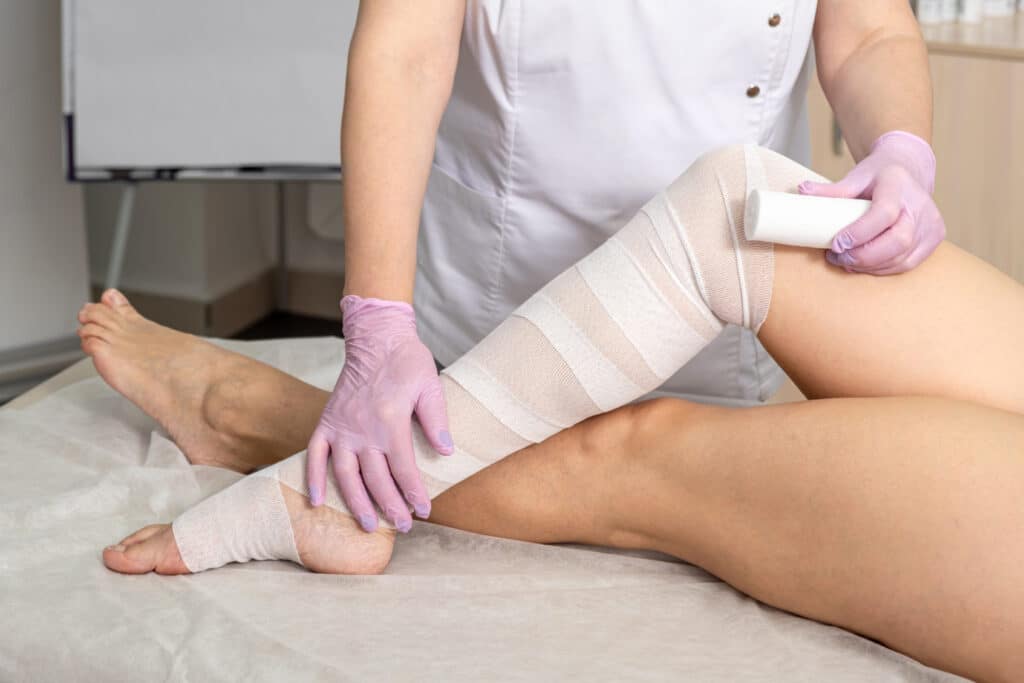
Moderate discomfort, bruising, and swelling are common during the first several days after surgery. Because lipedema can affect lymphatic function, swelling may last longer than it does after cosmetic liposuction. Compression garments and, in some cases, mechanical lymphatic pumps may be recommended to support healing and manage fluid buildup.
Results become more visible as swelling subsides, with improvements in volume, contour, pain, stiffness, and mobility developing gradually over the following months. Patients who require treatment in multiple areas may have additional procedures spaced several months apart.
Is Lipedema Liposuction Right for You?
Lipedema liposuction may be considered when pain, swelling, heaviness, or mobility limitations continue despite conservative care. Candidates should be healthy enough for surgery and prepared to follow postoperative compression and recovery instructions.
Potential candidates may:
- Experience persistent pain or tenderness in affected areas
- Have difficulty walking, exercising, or completing daily activities
- Notice progressive enlargement despite weight-management efforts
- Have realistic expectations about symptom relief, scarring, and recovery
- Be willing to continue long-term lipedema management after surgery
A consultation is necessary to determine whether surgery is appropriate and whether treatment should be completed in one procedure or several stages.
Frequently Asked Questions
Why Choose Lipedema MD for Liposuction?
Lipedema MD brings together three surgeons with complementary experience in plastic, reconstructive, general, cosmetic, and aesthetic surgery. Dr. Boris Volshteyn is a board-certified plastic surgeon with advanced training in microsurgery, cosmetic surgery, and complex body contouring. Dr. Rudolf Thompson is certified by both the American Board of Surgery and the American Board of Plastic Surgery and has extensive experience in reconstructive and aesthetic procedures. Dr. Sadaf Qazi is a board-certified general surgeon with advanced specialization in cosmetic and aesthetic surgery and a dedicated clinical focus on lipedema treatment.
Together, the surgeons use individualized planning, lymph-sparing techniques, and accredited surgical facilities to address painful fat, mobility concerns, and body disproportion. Patients also receive support with preoperative preparation, insurance navigation, postoperative care, and long-term follow-up throughout the treatment process.
A Smarter Approach to Surgical Relief in West Long Branch, NJ
Lipedema liposuction may help reduce painful fat, improve mobility, and make daily movement more comfortable. Lipedema MD in West Long Branch, NJ, provides advanced, lymph-sparing treatment tailored to each patient’s condition and goals. Call (732) 641-3350 to schedule a consultation and learn whether lipedema liposuction may be appropriate for you.
 Get Directions