
Some people with lipedema experience painful fat, stretched skin, and nodular tissue around the abdomen in addition to the lower body. When this tissue contributes to discomfort or functional limitations, a customized surgical procedure may help. A lipedema tummy tuck—also called lipedema abdominoplasty—can reduce pain, improve posture, and relieve pressure caused by abdominal bulk or overhang.
At Lipedema MD in West Long Branch, New Jersey, Dr. Boris Volshteyn and Dr. Rudolf Thompson lead every case with expertise in both reconstructive plastic surgery and lipedema-focused care. They are board-certified plastic surgeons with more than 20 years of experience in complex procedures and have developed techniques specifically for lipedema patients with nodular fat or connective tissue dysfunction.
What Makes Lipedema Abdominoplasty Different?
Unlike a traditional cosmetic tummy tuck, a lipedema tummy tuck is designed to treat painful, fibrotic fat and excessive skin that result from lymphatic dysfunction and tissue inflammation. These procedures often involve:
- Skin excision: Sagging or redundant tissue is removed to reduce overhang and improve contour.
- Liposuction: Fibrotic fat is gently removed while preserving lymphatic structures.
- Manual removal of nodules: In cases with painful knots or lipomas, Dr. Volshteyn may manually excise affected areas to improve comfort and function.
- Advanced surgical technique: Specialized instruments and gentle handling reduce trauma in patients with connective tissue disorders.
- Anesthesia and monitoring: All patients are closely monitored after surgery and anesthesia is carefully tailored for those with lipedema or suspected related conditions.
Recovery and Results
Recovery is similar to traditional abdominoplasty, though swelling may persist longer due to lipedema-related fluid retention. Patients wear compression garments for at least six weeks and often benefit from early use of lymphatic pumps. Results typically include:
- Reduced abdominal pain and pressure
- Improved ability to wear compression garments
- Better posture and daily movement
- Enhanced body proportion and long-term comfort
Who Is a Candidate?
You may be a good candidate for lipedema abdominoplasty if you:
- Have significant overhang, nodular fat, or painful fullness in the abdomen
- Are in overall good health with stable weight
- Do not smoke or use nicotine
- Are already managing lipedema elsewhere in the body
How Is a Lipedema Tummy Tuck Planned?
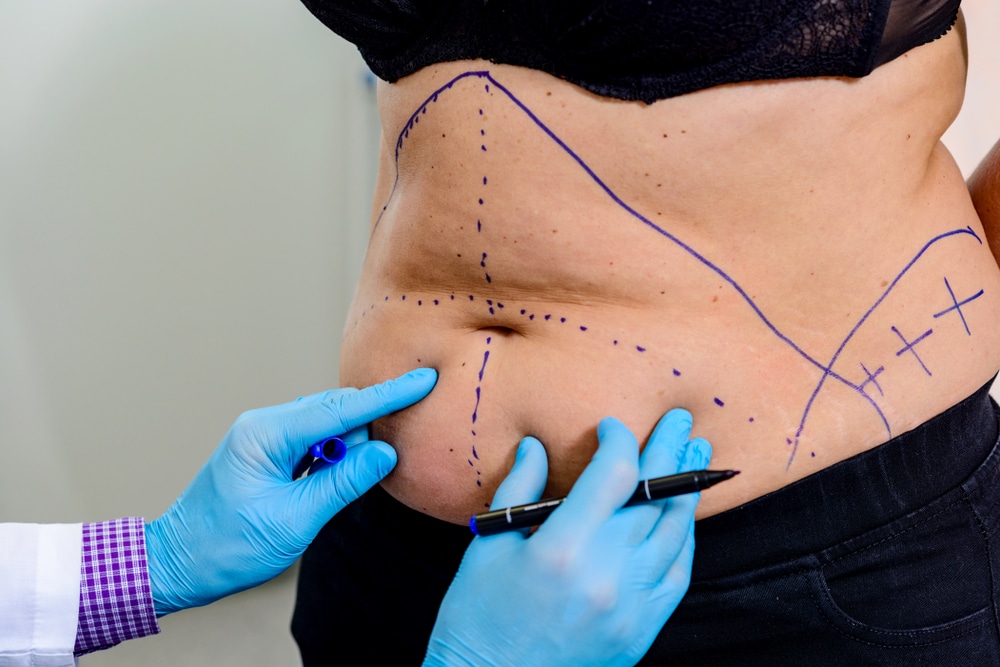
Surgical planning depends on the amount and location of excess skin, painful fat, nodular tissue, and abdominal overhang. The surgeon also considers previous lipedema procedures, scars, mobility concerns, and whether nearby areas such as the hips or lower abdomen may need treatment.
Depending on these findings, abdominoplasty may be combined with liposuction or targeted removal of firm nodules. Some patients may also benefit from a staged approach when several areas require treatment.
Can Abdominal Muscle Repair Be Included?
Abdominal muscle separation can occur after pregnancy, significant weight changes, or other changes to the abdominal wall. If muscle laxity is present, surgeons may perform repair during abdominoplasty to improve support and contour.
Muscle repair is not necessary for every patient with lipedema. Whether it is appropriate depends on the condition of the abdominal wall and the goals of surgery.
How Does a Tummy Tuck Fit Into a Larger Lipedema Treatment Plan?
Lipedema can affect multiple areas, so abdominal surgery may be one part of a broader treatment plan. The order of procedures depends on symptoms, mobility concerns, tissue volume, and which areas cause the greatest functional limitations.
Some patients may undergo lipedema liposuction in the legs or hips first. Others may benefit from addressing a heavy abdominal overhang earlier if it affects movement, hygiene, compression garments, or recovery.
A coordinated plan also allows time for healing between procedures and helps avoid treating too many areas at once. The goal is to improve comfort and function while keeping each stage manageable and tailored to the patient.
Frequently Asked Questions
No. Abdominoplasty addresses excess skin, painful fat, and related tissue concerns in the abdominal area. Lipedema affecting the legs, hips, arms, or other regions may require separate treatment.
In some cases, liposuction can be incorporated into the same procedure to remove lipedema fat and improve abdominal contour. Whether procedures can be safely combined depends on the amount of treatment needed, the patient’s health, and the overall surgical plan.
A tummy tuck removes excess skin and targeted fatty tissue from the abdomen, but it does not cure lipedema. Because lipedema is a chronic condition, symptoms may still affect other areas of the body or require ongoing management after surgery.
For some patients, reducing a heavy abdominal overhang or bulky tissue can improve the fit and comfort of compression garments. The degree of improvement depends on the amount and location of tissue being treated.
Why Choose Lipedema MD for Lipedema Tummy Tuck?
Lipedema MD is one of the few practices in the U.S. with focused experience in treating abdominal lipedema. Dr. Boris Volshteyn is a board-certified plastic and reconstructive surgeon with decades of experience and a clinical emphasis on lipedema. His approach addresses not just cosmetic excess but painful fat, nodules, and functional disruption that affect daily life. Every detail—from anesthesia to recovery planning—is tailored to the needs of lipedema patients.
Dr. Volshteyn is joined by Dr. Rudolf Thompson, a double board-certified plastic surgeon who brings extensive expertise in body contouring and reconstructive procedures. His knowledge of advanced techniques and his commitment to patient comfort make him a valuable partner in delivering high-quality lipedema care.
Plan Your Procedure with a Team That Specializes in Lipedema
If you’re experiencing abdominal fullness, pain, or sagging skin related to lipedema, a tummy tuck may offer comfort and relief. Lipedema MD in West Long Branch, NJ, provides advanced surgical care in a supportive environment. Call (732) 641-3350 to schedule your consultation.
Disclaimer: The information provided in this guide is for educational purposes only and should not be construed as medical advice. Individual experiences and outcomes may vary, and consultation with a qualified healthcare professional is recommended for personalized treatment recommendations.
 Get Directions