
Lipedema and lymphedema are two chronic conditions that can cause swelling, discomfort, and changes in the appearance of the arms or legs. Although their symptoms can look similar, the conditions have different causes and may require different treatments. Knowing what sets them apart can help patients recognize potential symptoms and find the right care.
At Lipedema MD in West Long Branch, NJ, Dr. Boris Volshteyn, a board-certified plastic surgeon with over two decades of experience, leads a team specializing in lipedema care. With expertise in advanced body contouring and lymphatic preservation, Dr. Volshteyn helps patients get answers about their symptoms and explore treatment options suited to their needs.
What Is Lipedema?
Lipedema is a chronic condition that causes abnormal fat buildup, mainly in the legs, hips, buttocks, and sometimes the arms. It affects almost exclusively women and often develops or worsens during hormonal changes, such as puberty, pregnancy, and menopause.
Unlike ordinary body fat, lipedema fat can be difficult to reduce through diet and exercise. Common symptoms include pain, tenderness, easy bruising, heaviness, and enlargement of the affected areas.
What Is Lymphedema?
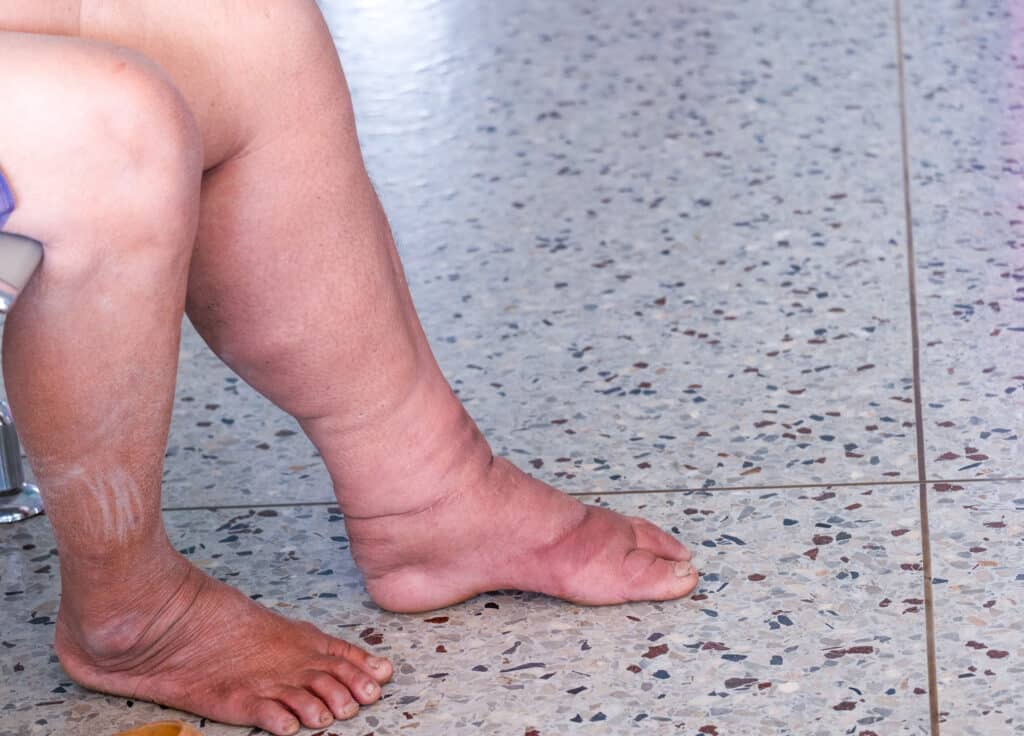
Lymphedema occurs when the lymphatic system cannot properly drain fluid from the body’s tissues. This causes fluid to collect and leads to ongoing swelling. The condition may develop because of inherited lymphatic problems or damage from surgery, radiation, infection, or other medical conditions.
Lymphedema most commonly affects the arms or legs, causing swelling, tightness, heaviness, and difficulty moving comfortably. Over time, it can also lead to skin thickening and a higher risk of infection.
Key Differences Between Lipedema and Lymphedema
Although both conditions can affect the size and comfort of the limbs, several differences can help tell them apart:
- Cause: Lipedema involves abnormal fat buildup, while lymphedema results from fluid that cannot drain properly.
- Distribution: Lipedema usually affects both sides of the body evenly. Lymphedema may affect just one arm or leg.
- Hands and Feet: Lipedema typically leaves the hands and feet unaffected, while lymphedema can cause swelling in these areas.
- Pain and Bruising: Lipedema commonly causes tenderness and easy bruising. Lymphedema is more often associated with swelling and tightness.
- Response to Elevation: Lymphedema swelling may improve with elevation, while lipedema-related enlargement generally remains.
These differences can offer helpful clues, but a medical evaluation is needed to confirm the condition.
Can Lipedema and Lymphedema Occur Together?
Yes. Some patients develop both conditions, known as lipolymphedema. As lipedema progresses, changes in the affected tissues may interfere with lymphatic drainage, leading to additional fluid buildup.
Patients with lipolymphedema may notice more swelling, discomfort, and difficulty moving. Recognizing both conditions helps ensure treatment addresses excess fatty tissue and fluid buildup.
How Are Lipedema and Lymphedema Diagnosed?
Diagnosis usually starts with a discussion of symptoms and medical history, followed by a physical examination. The specialist assesses where swelling occurs, how the tissues feel, whether there is tenderness, and whether the hands or feet are affected.
Depending on the patient’s symptoms, ultrasound or lymphatic imaging may be used to gather more information and rule out other possible causes of swelling.
Treatment Options for Lipedema and Lymphedema
The right treatment depends on the condition, symptom severity, and individual needs.
Lipedema care may involve compression garments, gentle exercise, nutritional guidance, and other nonsurgical treatments. For certain patients, specialized lipedema liposuction may help remove affected fat and improve comfort and mobility.
Lymphedema treatment focuses mainly on reducing swelling through compression therapy, manual lymphatic drainage, exercise, and skin care. Patients with both conditions may need a combination of treatments to manage their symptoms effectively.
Why Choose Lipedema MD in West Long Branch, NJ?
At Lipedema MD, patients receive personalized care from a team experienced in treating lipedema. Led by Dr. Boris Volshteyn, the practice focuses on identifying each patient’s needs and recommending treatments that support long-term comfort and mobility.
Dr. Volshteyn is a board-certified plastic surgeon with extensive experience in reconstructive surgery, advanced liposuction, and lymphatic preservation. He completed his medical and surgical training at the University of Missouri, received additional fellowship training in microsurgery, and earned a Master of Science in Applied Human Physiology.
He is also a member of the American Society of Plastic Surgeons and serves as Chief of Plastic Surgery at CentraState Medical Center. His experience and knowledge of lymphatic health allow him to provide thoughtful, specialized care for patients dealing with lipedema and related concerns.
Schedule a Consultation in West Long Branch, NJ
Knowing whether your symptoms stem from lipedema, lymphedema, or both is an important first step toward relief. At Lipedema MD, patients receive personalized evaluations and guidance on treatments that may improve comfort and quality of life.
Call 732-641-3350 to schedule a consultation in West Long Branch, NJ, and take the next step toward managing your symptoms.
 Get Directions