
Advanced lipedema often leads to the formation of firm, nodular tissue within affected areas of fat. These lymphatic nodules can create localized pain, sensitivity, and mobility limitations, particularly when standard treatments are no longer effective.
At Lipedema MD in West Long Branch, New Jersey, board-certified plastic surgeon Dr. Boris Volshteyn and double board-certified plastic surgeon Dr. Rudolf Thompson offer manual removal of lymphatic nodules as a specialized surgical option. This technique targets hardened clusters of inflamed fat that have become tethered or fibrotic, providing a direct and lasting way to relieve pressure, reduce sensitivity, and restore comfort.
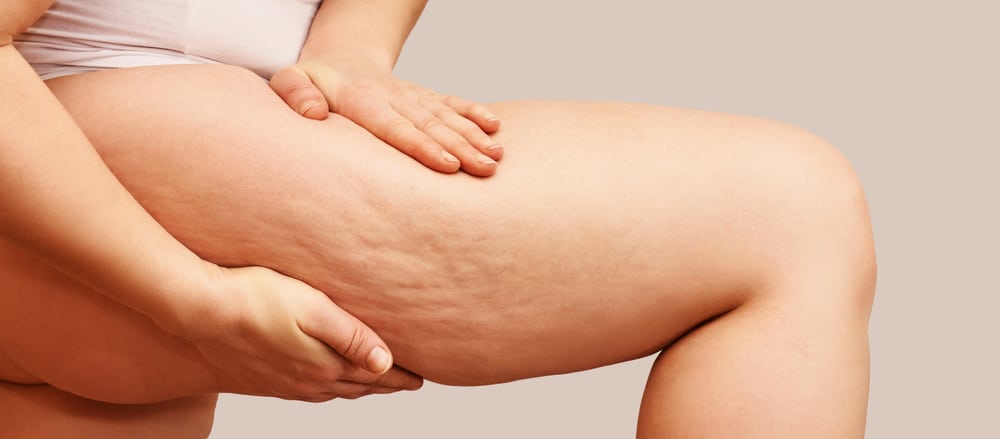
What Are Lymphatic Nodules?
Lymphatic nodules in lipedema are firm, often painful areas that develop within affected fatty tissue. They can feel like small balls, peas, or knots under the skin and are frequently described as:
- Tender to the touch
- Deeply embedded
- Resistant to compression or massage
- Increasing in size or firmness over time
These nodules may form due to lymphatic leakage, chronic inflammation, and the breakdown of lymphatic vessel function in advanced lipedema. The surrounding tissue becomes fibrotic—thickened and less elastic—which causes nodules to harden and press against nearby nerves or structures.
Why Standard Liposuction May Not Be Enough
Liposuction is highly effective for removing softer lipedema fat and reducing overall tissue volume, but in cases with dense nodules, it may not be able to fully break up or extract hardened areas. Nodules may:
- Remain after liposuction due to their density or location
- Cause ongoing discomfort even after volume reduction
- Worsen over time if left untreated
Manual removal allows the surgeon to directly excise these nodules with precision, often during a liposuction session or as a staged procedure. This targeted approach helps relieve persistent symptoms and improves long-term outcomes.
How Manual Nodule Removal Works
This procedure involves carefully identifying and extracting nodules through small incisions. Depending on the size and number of nodules, removal may be performed:
- During liposuction to enhance overall fat reduction
- As a standalone procedure for patients with previously treated areas
- In combination with skin excision when nodules are located within loose or sagging skin folds
Each nodule is manually separated from surrounding tissue, taking care to preserve lymphatic and vascular structures. In some cases, nodules may be sent for pathology to confirm their composition.
When Is Manual Nodule Removal Recommended?
Manual nodule excision may be appropriate if you:
- Have painful, firm nodules that remain after liposuction
- Experience tenderness or nerve sensitivity in focal areas
- Notice visible lumps or hardness under the skin
- Have nodules that are worsening over time or interfering with movement
- Are preparing for additional lipedema surgeries and want to address dense areas first
This treatment is typically reserved for patients with moderate to severe lipedema or those in later stages of the disease.
What to Expect After the Procedure
Recovery is typically shorter than for full-volume liposuction but depends on the extent of tissue removal. Most patients can expect:
- Mild soreness or bruising at the incision sites
- Use of compression garments to reduce swelling
- Short-term activity restrictions to support healing
- Relief from focal pain or tenderness once tissue settles
The team at Lipedema MD provides full recovery guidance, including wound care, garment fitting, and lymphatic support strategies to maintain results.
How Are Lymphatic Nodules Evaluated Before Surgery?
Not every firm or uneven area within lipedema tissue requires surgical removal. Before recommending nodule excision, the surgical team evaluates the location, size, firmness, tenderness, and depth of the affected areas. The examination also helps determine whether symptoms come from discrete nodules, broader fibrosis, excess lipedema tissue, or a combination of these factors.
Previous lipedema treatments and surgeries are also important. Patients who have already undergone liposuction may have isolated nodules that became more noticeable after surrounding tissue volume decreased. Others may have several areas of dense fibrotic tissue that are best addressed as part of a broader surgical plan.
This evaluation helps determine whether to perform manual removal alone, during liposuction, or alongside another procedure.
What Can Nodule Removal Help Improve?
Manual removal targets specific hardened areas rather than treating lipedema throughout an entire limb or body region. When symptomatic nodules are successfully removed, treatment may help with concerns such as:
- Localized pressure or tenderness
- Pain when an area is touched or compressed
- Discomfort caused by a nodule rubbing against surrounding tissue
- Restricted movement related to bulky or painful nodular tissue
- Persistent lumps that remain after previous lipedema surgery
Results depend on the number and location of the nodules as well as the extent of fibrosis in the surrounding tissue. Removing a troublesome nodule does not eliminate the underlying lipedema, so continued management of the condition may still be recommended after surgery.
Frequently Asked Questions About Lymphatic Nodule Removal
Why Choose Lipedema MD for Manual Nodule Removal?
Lipedema MD is one of the few surgical practices in the U.S. offering focused manual removal of lymphatic nodules with a lipedema-specific approach. Dr. Boris Volshteyn brings decades of experience in advanced lipedema surgery, combining lymphatic-sparing techniques with precision excision for durable results. His work is guided by research, global training, and a deep understanding of the disease’s progression.
Dr. Rudolf Thompson adds additional expertise in complex reconstructive surgery and has performed thousands of body contouring procedures throughout his career. His surgical judgment and collaborative approach support safer, more effective outcomes—especially for patients with nodular or advanced-stage lipedema. Every procedure is planned with skill and the long-term health of your lymphatic system in mind.
Target the Areas Liposuction Can’t Fix
When nodules cause pain that doesn’t respond to conservative care or traditional liposuction, direct removal may be the best option. The team at Lipedema MD in West Long Branch, NJ, offers advanced surgical tools and experience to help you feel and move better. Call (732) 641-3350 to schedule a visit and learn more about manual lymphatic nodule removal.
 Get Directions