
Healthy lifestyle habits can make a meaningful difference for individuals living with lipedema. While diet and exercise won’t reverse the condition, they can help reduce inflammation, support mobility, and ease day-to-day discomfort, especially when paired with other treatment strategies.
At Lipedema MD in West Long Branch, New Jersey, we believe nutrition, movement, and metabolic health all contribute to better outcomes. Our board-certified surgeons, Dr. Boris Volshteyn and Dr. Rudolf Thompson, emphasize a comprehensive approach to care, empowering patients to build routines that support long-term well-being.

How Diet Supports Lipedema Care
An anti-inflammatory diet can help manage some of the challenges associated with lipedema, including pain, swelling, and fatigue. Many patients benefit from reducing processed foods, sugar, and simple carbohydrates while focusing on whole foods rich in fiber, healthy fats, lean proteins, and antioxidants.
Although no specific diet cures lipedema, balanced nutrition may help minimize flare-ups and improve overall energy levels. It also supports healing after surgery and promotes better skin integrity and immune function. Some individuals respond well to low-carb, Mediterranean, or elimination-style diets, depending on their health history and personal needs.
The Role of Exercise and Movement
Physical activity—especially low-impact, water-based, or resistance-supported exercise—can improve circulation and support lymphatic flow. Regular movement helps reduce stiffness, promotes strength, and supports mental and emotional well-being.
Swimming, walking, rebounding, and gentle stretching are often well tolerated. Compression garments may improve comfort during movement and are sometimes recommended during or after activity.
GLP-1s and Metabolic Support
Medications like GLP-1 receptor agonists (including semaglutide and similar agents) are being used more frequently to support weight loss and reduce inflammation in patients with lipedema. Some individuals experience decreased pain, improved mobility, and metabolic changes that can support their treatment plan.
If GLP-1s are being considered, it’s important to work closely with your medical provider to monitor response and ensure alignment with surgical goals. Lipedema-specific expertise is key to making informed decisions about how these tools may fit into your care.
What To Avoid When Building A Lipedema Exercise Routine
Exercise should support comfort, mobility, and consistency rather than increase pain or swelling. Patients with lipedema may need to avoid routines that place excessive strain on the joints or cause prolonged soreness, especially when symptoms are already flaring. High-impact workouts, aggressive training plans, and rapid increases in intensity can be difficult to sustain and may make movement feel discouraging.
When building a routine, it may help to avoid:
- Pushing through sharp pain or worsening swelling
- Starting intense workouts without gradual conditioning
- Skipping rest days when fatigue is high
- Choosing exercises that cause joint stress or instability
- Measuring progress only by weight loss
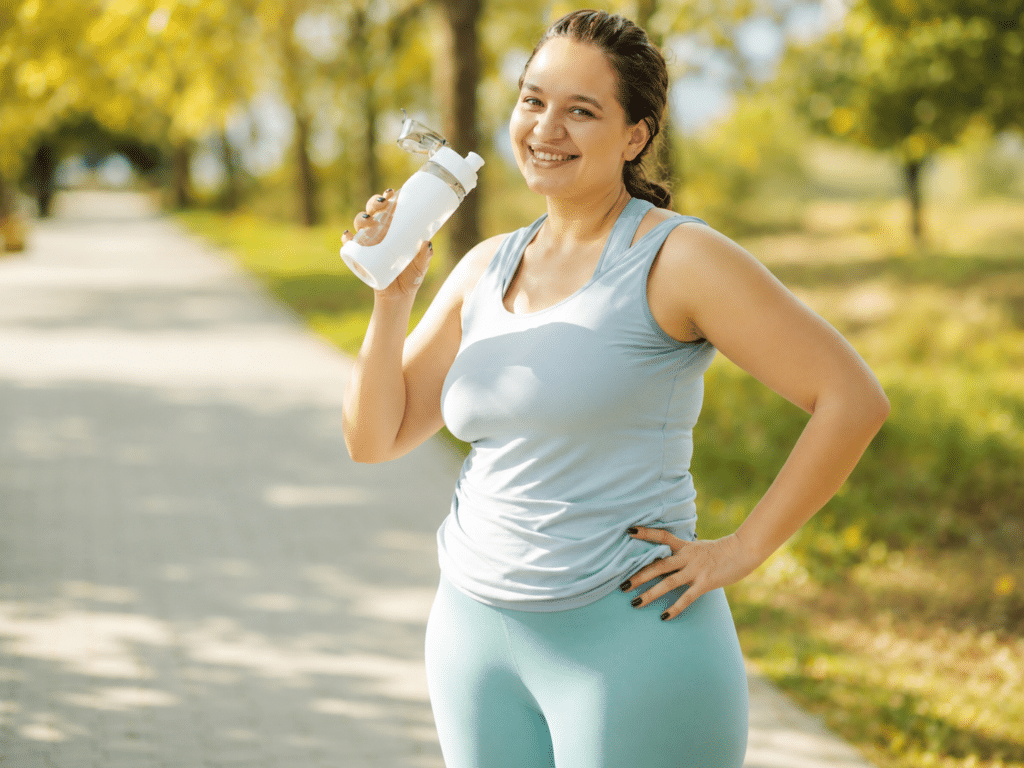
A more supportive approach focuses on steady movement, strength, flexibility, and symptom response. Tracking comfort, endurance, and mobility can provide a more realistic picture of progress than the scale alone.
When To Speak With A Lipedema Specialist
A lipedema specialist can help when pain, heaviness, swelling, easy bruising, disproportionate fat accumulation, or declining mobility continue despite healthy lifestyle changes. Specialized care may also be helpful when weight loss efforts are not changing the affected areas or when exercise feels increasingly difficult.
Because lipedema can progress over time, an evaluation can clarify how diet, exercise, compression, medication, or surgery may fit into a long-term treatment plan.
Frequently Asked Questions
Diet and exercise cannot cure lipedema or eliminate lipedema fat. Lipedema is a chronic condition that affects how fat is stored, often in the legs, hips, buttocks, and arms. However, healthy lifestyle habits may help reduce inflammation, support mobility, improve energy, and make symptoms easier to manage as part of a broader treatment plan.
There is no single diet that works for every person with lipedema. Many patients benefit from an anti-inflammatory approach that limits processed foods, added sugars, and simple carbohydrates while emphasizing lean proteins, vegetables, healthy fats, and fiber-rich foods. Some individuals may respond well to Mediterranean, low-carb, or elimination-style plans depending on their medical history, symptoms, and treatment goals.
Low-impact exercise is often more comfortable for patients with lipedema. Walking, swimming, water aerobics, cycling, rebounding, yoga, gentle stretching, and resistance training can help support circulation, lymphatic flow, strength, and flexibility. The right routine should feel sustainable and should be adjusted if pain, swelling, or fatigue increases.
Compression garments may help some patients feel more supported during movement by reducing heaviness, swelling, or discomfort. They may be especially helpful during walking, resistance exercise, or post-surgical recovery. A lipedema-focused provider can offer guidance on whether compression is appropriate and what level of support may be best.
Weight loss medications, such as GLP-1 receptor agonists, may support metabolic health and weight management for some patients with lipedema. These medications do not directly remove lipedema fat, but they may help reduce inflammation, improve mobility, and support surgical planning in certain cases. Any medication should be discussed with a qualified medical provider familiar with lipedema care.
Why Choose Lipedema MD for Lipedema Treatment?
At Lipedema MD, our approach is rooted in decades of experience treating patients with all stages of lipedema. Dr. Boris Volshteyn and Dr. Rudolf Thompson are board-certified plastic surgeons with extensive backgrounds in both surgical treatment and the supportive measures that surround it. They’ve spent years helping patients prepare for surgery, recover effectively, and build sustainable routines that promote long-term comfort and health.
Their deep understanding of the disease process allows them to offer realistic, well-informed recommendations around diet, exercise, and medical management. Whether you’re planning surgery or simply seeking relief, our team provides thoughtful guidance grounded in what truly helps patients feel and function better.
Supporting Your Lipedema Wellness Journey
Diet and exercise won’t make lipedema fat disappear—but that doesn’t mean they’re not worth it. A supportive routine can help you feel better in your body, manage symptoms, and prepare for treatment. Contact Lipedema MD in West Long Branch, NJ, at (732) 641-3350 to learn more about how we can help you.
 Get Directions