
Managing lipedema effectively involves more than surgery alone. Lipedema MD in West Long Branch, New Jersey, offers conservative therapies that can help ease pain, manage swelling, and support long-term comfort. Compression is one of the most widely recommended non-surgical strategies for improving daily mobility and minimizing the progression of symptoms.
Board-certified plastic surgeons Dr. Boris Volshteyn and Dr. Rudolf Thompson bring decades of combined experience in lipedema treatment. Whether you’re recovering from surgery or exploring conservative care options, our team provides evidence-based guidance and helps you understand which compression therapies may benefit you most.
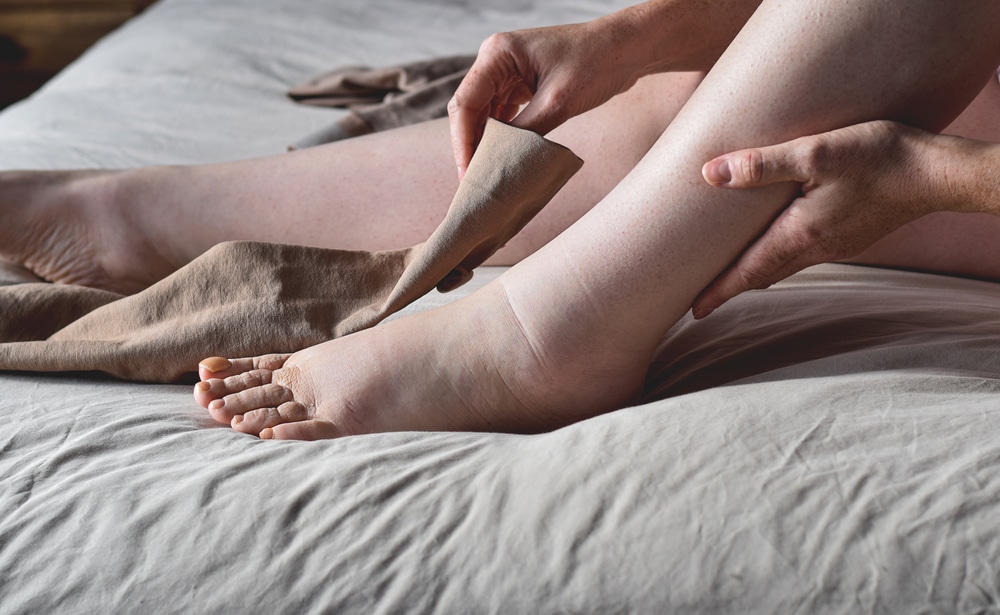
Compression Therapy Options
Compression therapy uses external pressure to support circulation and lymphatic flow. For lipedema patients, it can improve tissue comfort and provide day-to-day symptom relief.
We offer educational guidance on several forms of compression, including:
Medical-grade compression garments or adjustable wraps are worn daily to help reduce limb volume and discomfort. A professional fitting is often recommended to ensure proper effectiveness.
Pneumatic compression devices help stimulate lymphatic flow using rhythmic pressure. These can be used at home and are often prescribed postoperatively or between manual treatments.
A gentle massage technique performed by trained specialists that improves lymphatic drainage. It may be complemented by home strategies like dry brushing or low-level vibration therapy.
Each of these options can help reduce discomfort and preserve function. We will help you determine which combination of tools is right for you.
How Compression Therapy Fits Into a Treatment Plan
Compression therapy is commonly used alongside other lipedema treatments to support both short-term relief and long-term management. It may be recommended before surgery to help control swelling or after procedures to promote healing and maintain results.
When combined with approaches such as manual lymphatic drainage and guided lifestyle changes, compression helps improve circulation, reduce discomfort, and support overall function. Rather than serving as a standalone solution, it works best as part of a coordinated treatment plan tailored to each patient.
When to Start Compression Therapy
The right time to begin compression therapy depends on individual symptoms and treatment goals.
It may be introduced:
- At the time of diagnosis, to manage early swelling and discomfort
- Before surgery, to prepare the tissue and improve circulation
- After surgery to support healing and reduce fluid buildup
- During long-term management to maintain symptom control
Starting early and using compression consistently can help slow progression and improve day-to-day comfort.
How Proper Fit Impacts Results
Not all compression is equally effective. The fit of a garment or device plays a critical role in how well it performs.
A proper fit ensures:
- Even, consistent pressure across affected areas
- Improved lymphatic flow without restricting circulation
- Greater comfort, making daily wear more manageable
Ill-fitting garments can reduce effectiveness or cause unnecessary discomfort, making it harder to stay consistent. Professional guidance and periodic reassessment help ensure that compression continues to meet changing needs over time.
Frequently Asked Questions
Why Choose Lipedema MD for Compression Therapy?
We understand the challenges that lipedema can bring—and how important it is to find relief beyond the operating room. At Lipedema MD, our expertise extends to conservative care strategies that promote better outcomes and sustained symptom control. Dr. Volshteyn and Dr. Thompson are board-certified plastic surgeons with a strong focus on lipedema, lymphatic preservation, and personalized treatment planning.
Support for Ongoing Lipedema Management
Compression therapy can play an important role in managing symptoms and supporting comfort over time. Lipedema MD in West Long Branch, NJ provides individualized recommendations to help you make informed decisions. To learn more or discuss your options, contact our office at (732) 641-3350.
 Get Directions