
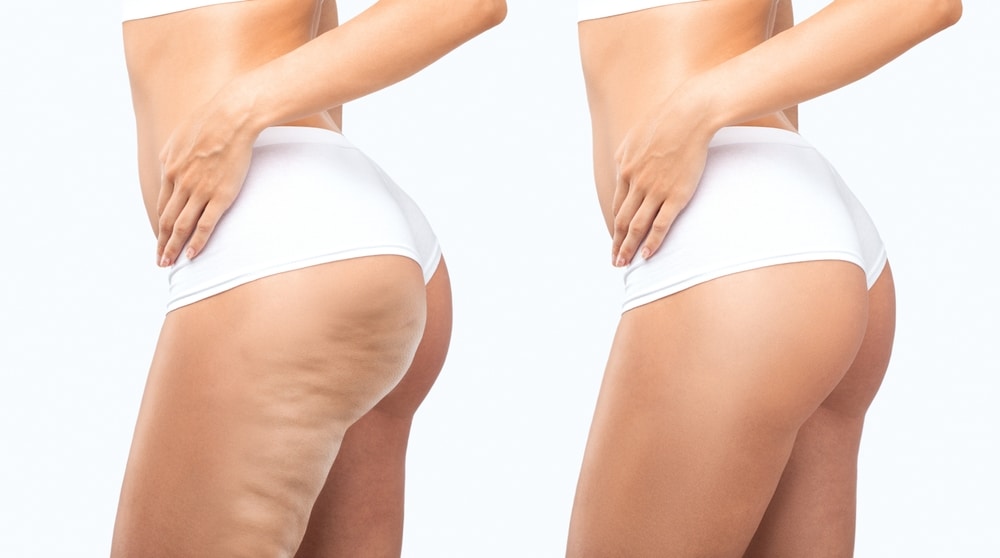
Lipedema is a chronic condition that affects how fat is distributed in the body, most often in the legs and arms. It can lead to discomfort, swelling, and changes in body shape that may not respond to diet or exercise.
Care at Lipedema MD is led by Dr. Boris Volshteyn, a board-certified plastic surgeon with extensive training in reconstructive surgery and lymphatic-focused care. His background includes advanced research and recognition for contributions to medical education and surgical innovation.
For those in West Long Branch, NJ, learning about lipedema symptoms and causes can help guide treatment decisions.
Common Lipedema Symptoms
Lipedema symptoms often develop gradually and may be mistaken for other conditions. Over time, they can begin to affect both physical comfort and daily activities.
Some of the most common signs include:
- A noticeable imbalance between the upper and lower body
- Pain or tenderness in affected areas
- Easy bruising without a clear cause
- A heavy or tight sensation in the limbs
- Swelling that tends to worsen as the day goes on
Recognizing these patterns early can help guide the next steps toward care.
What Causes Lipedema?
The exact cause of lipedema is still being studied, but several factors are known to contribute to it. Hormonal changes appear to play a key role, which is why symptoms often begin or worsen during times such as puberty, pregnancy, or menopause.
There is also a strong genetic component, as lipedema can run in families. In addition, changes in fat tissue and lymphatic function may lead to fluid buildup and inflammation. Looking at both lipedema symptoms and causes together helps create a clearer picture of how the condition develops.
Care Options for Lipedema
Lipedema treatment focuses on relieving symptoms, improving mobility, and supporting long-term management. A personalized approach allows care to be tailored based on the severity of symptoms and individual goals.
Non-surgical options are often the first step and may include:
- Compression therapy using garments or pumps to reduce swelling
- Manual lymphatic drainage to support fluid movement
- Monitoring tools, such as body imaging, to track progress
- Nutritional support through targeted vitamins and supplements
For more advanced cases, surgical treatments may be considered to address affected tissue more directly. These can include specialized liposuction and contouring procedures to improve function and comfort. Combining multiple therapies often leads to the most effective and sustainable results.
When to Seek Treatment
It can be difficult to know when to seek help, especially if symptoms have been present for some time. If swelling, discomfort, or changes in body shape continue despite lifestyle efforts, a professional evaluation may be needed.
Early attention to symptoms can help slow progression and improve treatment outcomes. A personalized assessment provides clear guidance and a path forward.
Lipedema Care and Guidance in West Long Branch, NJ
Living with lipedema can be frustrating, but the right support can make a meaningful difference. To get started, call Lipedema MD at 732-641-3350 to schedule a consultation.
 Get Directions