
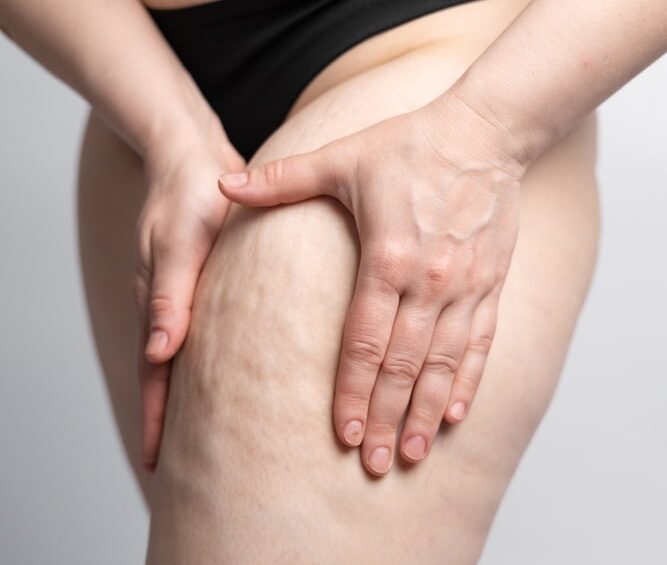
Living with lipedema can affect comfort, mobility, and quality of life over time. While conservative treatments may help manage symptoms, some patients continue to experience swelling, pain, and progressive tissue changes that interfere with daily activities.
At Lipedema MD in West Long Branch, NJ, patients receive comprehensive care from a team led by board-certified plastic surgeon Dr. Boris Volshteyn. With decades of experience in advanced body contouring and lymphatic preservation techniques, Dr. Volshteyn works alongside the practice’s providers to help patients explore both non-surgical management and lipedema surgery options based on their symptoms, goals, and stage of lipedema.
When Conservative Treatment May Not Be Enough
Many patients begin lipedema treatment with conservative therapies aimed at reducing discomfort and supporting lymphatic function. Common non-surgical approaches may include:
- Compression garments
- Manual lymphatic drainage
- Exercise modifications
- Nutritional support
- Compression pump therapy
These treatments can help manage symptoms, but they do not remove diseased lipedema tissue. For some patients, symptoms continue to progress despite consistent care.
Without proper treatment, lipedema symptoms may gradually worsen, further impacting mobility and daily comfort.
How Lipedema Surgery Can Help
Lipedema surgery is designed to remove abnormal fat deposits while preserving surrounding lymphatic structures. Specialized liposuction techniques may help reduce swelling, improve mobility, and relieve discomfort associated with advanced lipedema.
Patients often pursue lipedema surgery when symptoms begin interfering with movement, daily activities, or long-term quality of life. Surgery may also help improve body contour irregularities caused by uneven fat accumulation in the legs or arms.
Is Surgery Always The Best Option?
Surgery is not always the first step in lipedema treatment. The best approach depends on several factors, including symptom severity, stage of lipedema, overall health, and response to conservative care. Some patients achieve meaningful symptom relief through non-surgical management alone, while others benefit from combining conservative therapies with surgery.
A thorough evaluation can help determine whether surgical treatment is appropriate and which long-term management plan may provide the greatest benefit.
What To Expect From Lipedema Surgery
Depending on the extent of the condition and the areas affected, treatment may involve specialized liposuction and body contouring procedures, such as an arm lift, thigh lift, tummy tuck, or panniculectomy. Some patients may also benefit from manual removal of lymphatic nodules or fat grafting as part of a comprehensive treatment plan.
Recovery typically includes compression therapy, movement modifications, and ongoing symptom management to support healing and long-term results. While lipedema surgery can improve mobility, discomfort, and body contour concerns, continued conservative care may still play an important role after treatment.
Lipedema Treatment Options in West Long Branch, NJ
Lipedema treatment often requires a personalized approach focused on symptom relief, mobility, and long-term tissue health. At Lipedema MD, patients receive guidance tailored to their condition, treatment history, and goals.
To learn more about conservative care or lipedema surgery options, schedule a consultation by calling 732-641-3350 in West Long Branch, NJ.
 Get Directions