
Lipedema can be especially frustrating because the affected fat often does not respond to diet and exercise the same way as ordinary body fat. Patients may lose weight elsewhere while still noticing persistent enlargement, tenderness, or disproportion in areas affected by lipedema.
At Lipedema MD in West Long Branch, NJ, board-certified plastic surgeon Dr. Boris Volshteyn leads the surgical team and brings more than two decades of lipedema care experience. His background in plastic surgery, physiology, and liposuction research helps guide treatment for patients whose symptoms extend beyond simple weight concerns. Knowing why lipedema fat behaves differently can help patients make more informed decisions about management and treatment.
Why Lipedema Fat Behaves Differently
Lipedema involves abnormal fat distribution combined with changes in connective tissue, inflammation, and lymphatic function. The affected fat commonly accumulates in areas such as the hips, thighs, legs, and sometimes the arms.
Unlike typical fat gained from excess calorie intake, lipedema tissue is influenced by the underlying disease process. This is one reason lipedema fat loss may remain limited even when a patient follows a consistent nutrition and exercise plan.
Why Weight Loss May Look Uneven
Diet and exercise can still support overall health and reduce ordinary body fat. However, weight loss may occur more noticeably in areas not affected by lipedema.
This can leave patients with a greater difference between the upper and lower body or with persistent enlargement in affected limbs. Common concerns may include:
- Continued heaviness in the legs or arms
- Tenderness or sensitivity in fatty tissue
- Easy bruising
- Disproportion that remains after weight loss
- Difficulty improving certain areas through exercise alone
These patterns are related to lipedema itself rather than a lack of effort.
Can Exercise Still Help With Lipedema?
Yes. Exercise may not remove lipedema fat directly, but regular movement can support circulation, mobility, muscle strength, and overall health. Low-impact activities such as walking, swimming, cycling, and strength training may be useful depending on symptoms and physical ability.
Nutrition and weight management can also reduce joint strain and improve overall wellness, even when affected fat remains.
What Treatment Options May Help?
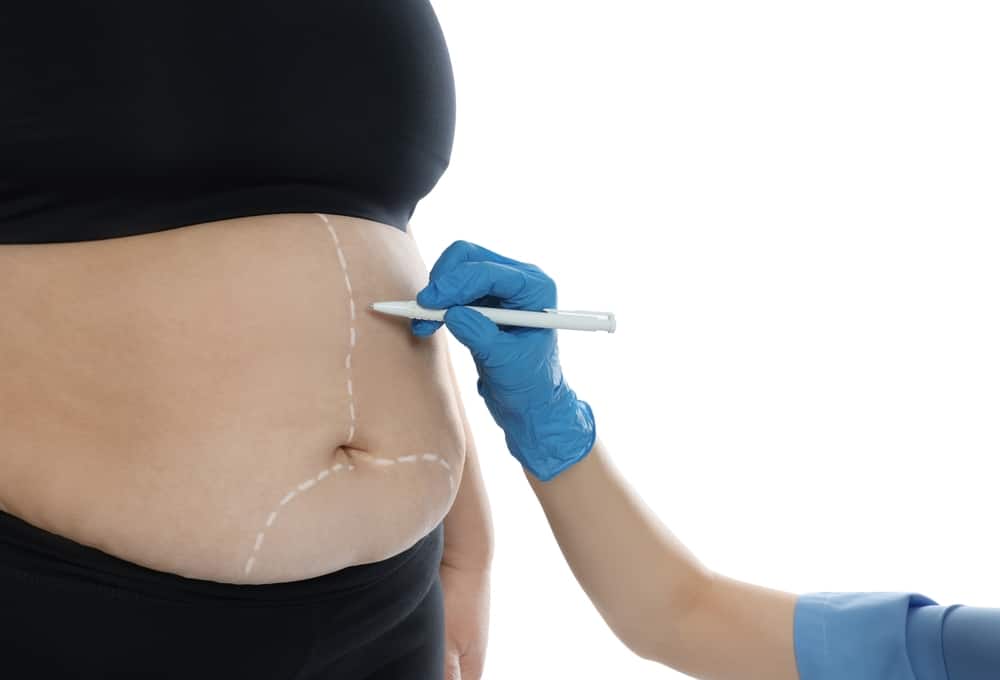
When conservative strategies are not enough, treatment may include compression, lymphatic support, lifestyle management, and surgical options such as lipedema-focused liposuction.
The best plan depends on symptoms, the stage of lipedema, mobility, and how much the condition affects daily life.
Get Help With Lipedema Fat Loss in West Long Branch, NJ
Persistent fat that does not respond as expected to diet and exercise may be related to lipedema rather than ordinary weight gain. Lipedema MD provides individualized evaluation and treatment planning for patients in West Long Branch, NJ.
Call 732-641-3350 to schedule a consultation and learn which options may help improve comfort, mobility, and long-term management.
 Get Directions