
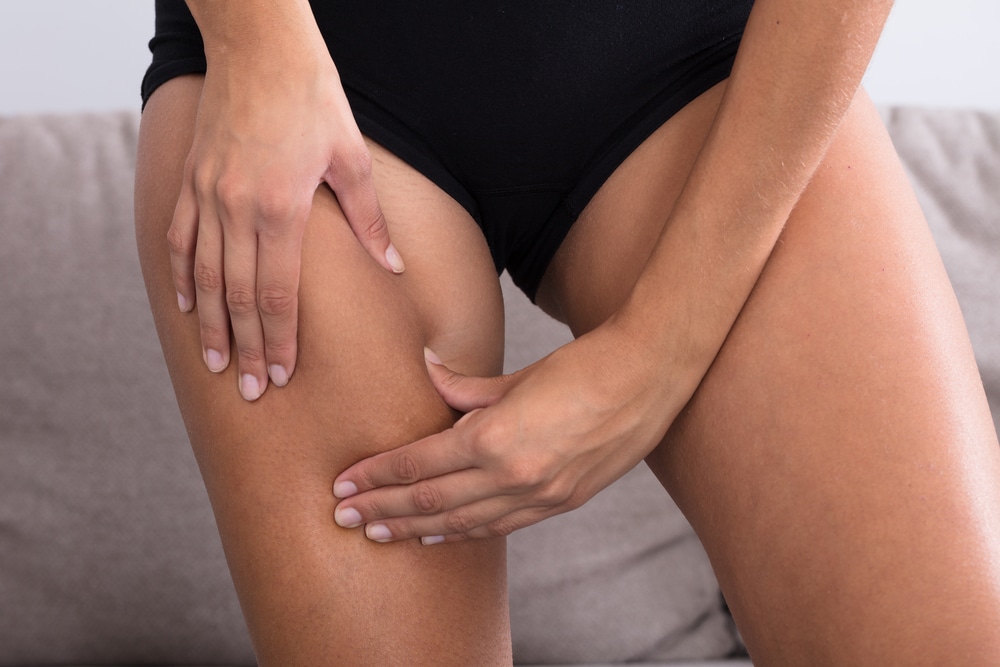
Fibrosis can be a frustrating and painful part of advanced lipedema, especially when tissue begins to feel firm, tight, or less responsive to conservative care. For patients in West Long Branch, NJ, these changes can affect comfort, mobility, and treatment planning, which is why experience with both tissue structure and lymphatic preservation matters.
Lipedema MD is led by Dr. Boris Volshteyn, a board-certified plastic surgeon who completed general and plastic surgery training at the University of Missouri and was elected to Alpha Omega Alpha, the prestigious National Medical Honor Society. With that level of surgical training guiding the care team, patients can receive a more focused evaluation of fibrosis and its potential influence on relief-focused lipedema care.
What Is Fibrosis In Lipedema?
Fibrosis refers to thickened or hardened tissue that can develop when chronic inflammation, fluid buildup, and tissue changes persist over time. In lipedema, this can make affected areas feel denser, heavier, or more tender. Fibrosis is more common in later stages of the condition and may contribute to increased discomfort with walking, standing, exercise, or daily movement.
Unlike ordinary weight gain, fibrotic lipedema tissue does not typically improve with diet and exercise alone. This can be discouraging for patients who have tried to make healthy changes but still experience pain, swelling, and disproportionate fat accumulation.
Signs Fibrosis May Be Affecting Lipedema Symptoms
Fibrosis can vary from person to person, but several changes may suggest that tissue hardening is becoming part of the condition. Common concerns may include:
- Firm or nodular areas beneath the skin
- Increased heaviness in the legs, hips, buttocks, or arms
- More tenderness or pain with pressure
- Reduced flexibility or range of motion
- Swelling that feels harder to manage
- Difficulty tolerating certain clothing or compression garments
These symptoms can affect confidence, comfort, and mobility. A lipedema-focused provider can help determine whether fibrosis is contributing to these changes.
How Fibrosis Can Influence Treatment Planning
When fibrosis is present, treatment may need to be more individualized. Conservative care may still be helpful, including compression, manual lymphatic drainage, anti-inflammatory habits, and gentle movement. These strategies can support lymphatic flow and help reduce symptom burden, but they may not remove fibrotic lipedema tissue.
For some patients, lipedema surgery may be considered as part of a broader care plan. Advanced liposuction techniques can help reduce affected tissue while prioritizing lymphatic preservation. Fibrosis can complicate surgical planning, so evaluation by an experienced lipedema team is important before deciding on the next step.
Advanced Lipedema Care In West Long Branch, NJ
Fibrosis can make lipedema feel more painful, restrictive, and difficult to manage without specialized support. At Lipedema MD in West Long Branch, NJ, patients can receive guidance on conservative care, surgical options, and relief-focused treatment planning.
To schedule a consultation, call 732-641-3350 and learn more about care for advanced lipedema symptoms.
 Get Directions