
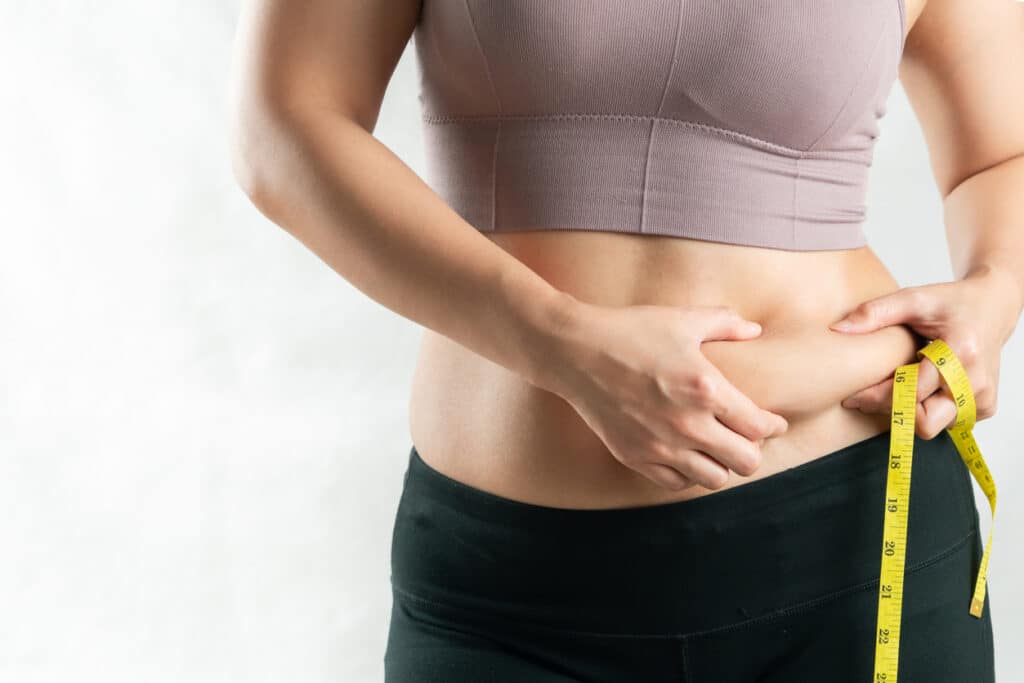
Lipedema and obesity are often confused due to similarities in appearance, but they are distinct conditions that require different approaches to care. For individuals experiencing disproportionate fat distribution, swelling, or discomfort in the limbs, identifying the correct condition is an important step toward effective treatment.
At Lipedema MD in West Long Branch, NJ, care is guided by Dr. Boris Volshteyn, a board-certified plastic surgeon with extensive experience in body contouring and lymphatic-focused techniques. With the right clinical insight, patients can better understand the differences between lipedema and obesity and explore appropriate treatment options.
What Is Lipedema?
Lipedema is a chronic condition that affects fat distribution, most commonly in the legs, hips, and arms. It primarily impacts women and is often associated with pain, tenderness, and swelling. Unlike general weight gain, lipedema fat does not respond easily to diet or exercise. This can make symptom management challenging without targeted care.
What Is Obesity?
Obesity is characterized by an increased amount of body fat that may contribute to health concerns. It is typically evaluated using body mass index and is associated with dietary, lifestyle, and metabolic influences. While obesity can contribute to various health concerns, it does not involve the same fat distribution patterns or tissue sensitivity seen in lipedema.
Lipedema vs Obesity: Key Differences
Although lipedema and obesity may appear similar, they have distinct characteristics that affect diagnosis and treatment. Key differences include:
- Fat distribution: Lipedema causes symmetrical fat buildup in the limbs, while obesity tends to affect the body more evenly
- Pain and sensitivity: Lipedema tissue is often tender or painful, while obesity does not typically involve localized discomfort
- Response to weight loss: Lipedema fat is resistant to diet and exercise, while obesity-related fat may decrease with lifestyle changes
- Swelling and fluid retention: Lipedema may involve fluid buildup, which is not a defining feature of obesity
Recognizing these differences helps guide more accurate care decisions.
Why an Accurate Diagnosis Matters
Misidentifying lipedema as obesity can delay appropriate care and lead to frustration when standard weight loss efforts do not produce results. An accurate diagnosis allows for a more targeted approach that addresses both physical symptoms and long-term progression. Early intervention may also help improve mobility and overall comfort.
Treatment Options for Lipedema
Managing lipedema often involves a combination of therapies tailored to individual needs. These may include:
- Manual lymphatic drainage to support fluid movement
- Compression therapy to help manage swelling
- Surgical options designed to remove affected fat while preserving lymphatic structures
Treatment plans vary depending on the stage of the condition and overall health.
Lipedema Care in West Long Branch, NJ
For individuals in West Long Branch, NJ, seeking clarity on lipedema vs obesity, a professional evaluation can provide direction and support.
Lipedema MD offers guidance on diagnosis and treatment options designed to address this condition with precision. Call 732-641-3350 to schedule a consultation and learn more about available care.
 Get Directions